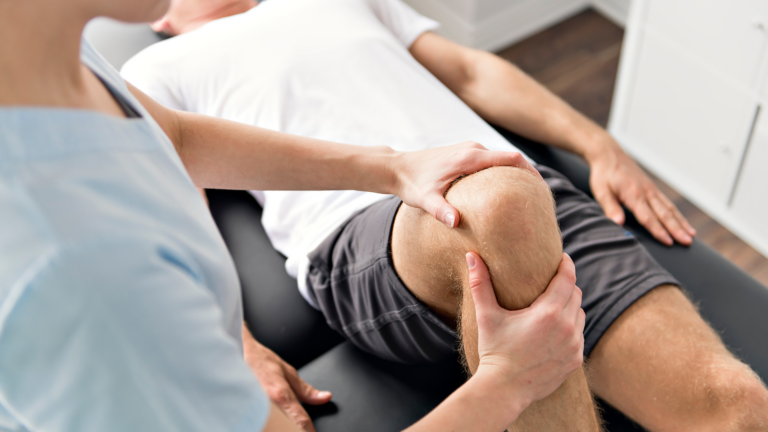

5 Effective Techniques to Manage Chronic Pain
Living with chronic pain can impact many parts of your daily life. Finding ways to manage this pain can make a real difference in your comfort and well-being.
Learning about pain relief techniques can help you choose the best options for your needs. In this article, you’ll discover several strategies for chronic pain management that focus on simple methods and proven treatments.
Struggling with chronic pain?
At Lake Country Physiotherapy, our dedicated team can help you find the right treatment to manage your pain and improve your quality of life.
Book a consultation today and start your journey to relief!
1) Cognitive Behavioral Therapy (CBT) for pain management
Cognitive Behavioral Therapy, or CBT, is a type of counseling that helps you change the way you think about pain. It teaches you how to spot negative thoughts and replace them with more helpful ones.
CBT does not stop pain, but it can help you manage it better. You learn coping skills and relaxation techniques to use when pain gets worse.
You may talk with a therapist one-on-one or in a group setting. Many people find that CBT gives them more control over their pain and reduces stress.
Sometimes, doctors will suggest CBT along with medicine or other treatments. You can ask your healthcare provider if CBT is right for your pain management plan.
2) Shockwave Physiotherapy
Shockwave physiotherapy is a treatment that uses physical waves to target areas which healed poorly and have become a chronic condition. These waves help improve blood flow and may break down scar tissue in your muscles and joints.
You might feel a tapping sensation during treatment, but it is not usually painful. The sessions are brief and often only take a few minutes.
Shockwave, or RSWT, is a specific treatment for chronic tendinopathies and calcified tendons. It is the treatment of choice if rest, medicine, or other methods have not worked well for the above conditions.
Your healthcare provider will decide if this type of physiotherapy is right for you. They will also teach you about what to expect and help you track your progress.
3) IMS & Dry Needling
IMS (Intramuscular Stimulation) and dry needling are two techniques that use thin needles to target tight or sore muscles. These needles are inserted directly into the muscle, which can help release tension and reduce pain.
You might notice some soreness after a session, but many people find that their muscles feel more relaxed as a result. Dry needling is often used alongside other treatments like physiotherapy.
Neither IMS nor dry needling uses medication. The goal is to help your body heal naturally by improving blood flow and reducing muscle tightness. Always talk to a trained professional to see if these methods are right for your pain management plan.
4) Physiotherapy with targeted exercises
Physiotherapy uses movement and exercise to help manage chronic pain. A trained physiotherapist will design special activities just for your needs.
These targeted exercises can strengthen muscles, improve balance, and increase flexibility. You may be asked to do simple stretches or gentle movements. The goal is to support your body without causing more pain.
Doing regular exercises can make daily tasks easier. Over time, you might notice less stiffness and a better range of motion.
It is important to follow your physiotherapist’s advice and practice your exercises at home. Keeping a routine can make a difference in how you feel.
5) Acupuncture
Acupuncture is a treatment where thin needles are placed into specific points on the body. You may find this technique used for different types of chronic pain, such as back pain or headaches.
Many people report feeling less pain after regular acupuncture sessions. It can help some people relax and reduce stress, which may lower pain levels.
You should talk to your doctor before starting acupuncture, especially if you have health concerns. Make sure you choose a licensed professional to perform the treatment.
Not everyone will have the same results with acupuncture. It may be helpful as part of a wider pain management plan.
Conclusion
Chronic pain management is a process that may involve several methods. You might find relief through physiotherapy, acupuncture, or other pain management strategies.
It is important to try different techniques to discover what works best for you. Each person’s pain is unique, and your treatment should fit your specific needs.
If you would like tailored guidance, our team at Lake Country Physiotherapy in Orillia can help. We are ready to answer your questions and support you as you look for effective pain relief.
Taking the first step can make a difference. Contact us to set up a visit or to learn more about our services. You do not have to manage chronic pain alone—support is available.