
How to Manage Arthritis Pain with Physiotherapy
Arthritis affects millions of adults in Canada every year, making everyday tasks feel impossible. The stiffness, swelling, and constant ache can steal your joy and limit your movement. But here’s the good news – you don’t have to let arthritis control your life!
Physiotherapy offers proven techniques that can reduce your arthritis pain and help you move better without relying only on medication. Whether you’re dealing with osteoarthritis or rheumatoid arthritis, the right approach can make a huge difference. You’ll discover how joint mobilization and targeted exercises work together to fight pain.
This guide will show you exactly how physiotherapy supports arthritis management and which techniques work best for pain relief.
How Physiotherapy Supports Arthritis Management
Physiotherapy offers proven methods to reduce joint pain, improve mobility, and slow arthritis progression through targeted exercises and manual therapy techniques. Each treatment plan addresses your specific arthritis type and individual needs.
Benefits of Physiotherapy for Arthritis
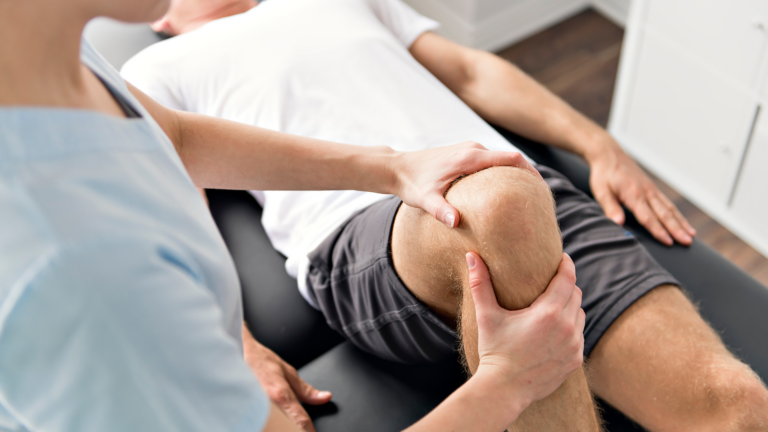
Pain reduction stands as the primary benefit derived from physiotherapy. Your therapist uses manual techniques like joint mobilization to decrease stiffness and discomfort along with a progressive resistance program and range of motion to help reduce pain
Regular physiotherapy helps preserve joint function. You’ll maintain better range of motion through specific stretching and strengthening exercises.
Muscle strengthening around affected joints provides crucial support. Stronger muscles reduce stress on your joints during daily activities.
Potentual benefits include:
- Reduced inflammation
- Improved balance and coordination
- Better sleep quality
- Decreased dependency on pain medications
Education forms a vital part of your treatment. Your therapist teaches proper body mechanics and joint protection techniques you can use at home.
You’ll also learn activity modification strategies. These help you perform daily tasks with less joint stress and pain.
Understanding Osteoarthritis and Rheumatoid Arthritis
Osteoarthritis affects your joint cartilage and bone. It typically develops from wear and tear over time.
Your physiotherapy approach for osteoarthritis focuses on weight-bearing exercises and joint protection. Low-impact activities like swimming work well for maintaining joint health.
Rheumatoid arthritis is an autoimmune condition. It causes inflammation in your joint lining and can affect multiple joints simultaneously.
For rheumatoid arthritis, your treatment emphasizes gentle range-of-motion exercises during flare-ups. Active strengthening occurs during remission periods.
| Arthritis Type | Main Focus | Exercise Timing |
| Osteoarthritis | Weight-bearing, joint protection | Consistent daily activity |
| Rheumatoid | Inflammation control, flexibility | Adjusted based on symptoms |
Treatment timing differs significantly between these conditions. You need different exercise intensities depending on your specific arthritis type and current symptom levels.
Individualized Arthritis Treatment Plans
Your physiotherapist conducts a comprehensive assessment before creating your treatment plan. This includes joint mobility tests, strength measurements, and pain level evaluations.
Goal setting happens collaboratively between you and your therapist. Your specific needs, lifestyle, and arthritis severity shape these objectives.
Treatment frequency varies based on your condition. You might need twice-weekly sessions initially, then progress to independent home exercises.
Your plan likely includes:
- Manual therapy techniques like joint mobilization
- Specific exercise programs targeting affected areas
- Home exercise routines for daily management
- Progress monitoring with regular reassessments
Modifications occur as your condition changes. Your therapist adjusts exercises based on your response and any symptom fluctuations.
You’ll receive education materials and demonstration videos for home use. This ensures proper technique and maximizes treatment benefits between appointments.
Top Physiotherapy Techniques for Relieving Arthritis Pain
Physiotherapy offers proven methods to reduce your arthritis pain and improve daily function. These techniques target joint stiffness, muscle weakness, and movement limitations that make arthritis symptoms worse.
Joint Mobilization to Improve Range
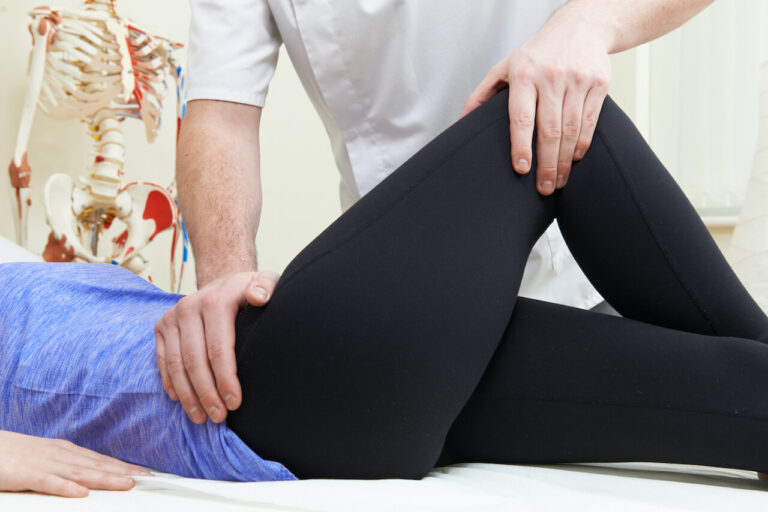
Joint mobilization helps restore movement in stiff, painful joints affected by arthritis. Your physiotherapist uses gentle, controlled movements to stretch joint capsules and ensure best possible movement patterning.
Common mobilization techniques include:
- Passive range of motion exercises
- Gentle joint rotations
- Sustained stretching holds
- Oscillatory movements
The technique works by increasing synovial fluid production in your joints. This natural lubricant helps reduce friction and stiffness during movement.
Strengthening Exercises for Joint Support
Strong muscles around your joints provide crucial support and reduce arthritis pain. Weak muscles force your joints to work harder, increasing inflammation and discomfort.
Your physiotherapist will design exercises targeting specific muscle groups. These focus on muscles that directly support your most affected joints.
Effective strengthening exercises include:
- Isometric holds – Muscle contractions without joint movement
- Resistance band exercises – Low-impact strength training
- Water exercises – Reduced joint stress with full muscle activation
- Bodyweight movements – Functional strength for daily activities
Start with light resistance and gradually increase intensity. You should feel muscle fatigue but never sharp joint pain during exercises.
Research shows that strength training can reduce arthritis pain by up to 43%! Building muscle also helps protect your joints from further damage over time.
Flexibility and Range of Motion Training
Regular stretching prevents joint stiffness and maintains your ability to move freely. Morning stiffness is often the worst arthritis symptom you’ll face each day.
Range of motion exercises keep your joints moving through their full capacity. This prevents the formation of adhesions that limit movement permanently.
Key flexibility techniques:
- Static stretching – Variable duration holds for stretches (10-40 seconds)
- Dynamic movements – Gentle swinging or circular motions
- PNF stretching – Contract-relax patterns for deeper flexibility
Focus on stretching first thing in the morning when stiffness peaks. Heat application before stretching can temporarily improve flexibility as well.
Your physiotherapist will teach you specific stretches for your problem areas. Hip, knee, and shoulder joints typically need the most attention in arthritis management.
Home Exercises and Lifestyle Modifications
Daily home exercises are essential for long-term arthritis management success. You can’t rely only on clinic visits to control your symptoms effectively.
Your physiotherapist will create a personalized home program based on your specific needs. This typically includes 15-20 minutes of daily exercises you can do independently.
Essential home program components:
- Morning mobility routine
- Strengthening exercises 3x per week
- Daily walking or low-impact cardio
- Evening stretching before bed
Lifestyle modifications that support your exercise program:
- Use heat therapy before exercise
- Apply ice after activity if joints are painful
- Maintain a healthy weight to reduce joint stress
- Get adequate sleep for tissue recovery
Consistency matters more than intensity with home exercises. Doing 10 minutes daily beats doing 70 minutes once per week every time.
Track your pain levels and function improvements in a simple journal. This helps you and your physiotherapist adjust your program as needed.
Conclusion
Managing your arthritis pain doesn’t have to feel overwhelming. Physiotherapy gives you real tools to take control of your symptoms!
You now have the knowledge to:
- Use joint mobilization techniques safely
- Build stronger muscles around affected joints
- Improve your flexibility with targeted exercises
The key is consistency. Small daily efforts with these physiotherapy methods can lead to big improvements in how you feel.
Remember that everyone’s arthritis journey looks different. What works best for your neighbor might not be perfect for you. That’s completely normal!
Start with these basics:
- Begin exercises slowly
- Listen to your body’s signals
- Track your progress weekly
- Stay patient with yourself
Your pain levels may fluctuate from day to day. This doesn’t mean the techniques aren’t working. Keep going even when progress feels slow.
Working with a trained physiotherapist can make your results even better. They can adjust techniques specifically for your needs and catch problems early.
Ready to take the next step in managing your arthritis pain? Our team at Lake Country Physiotherapy in Orillia specializes in helping people just like you find relief through proven physiotherapy methods. We’re here to support your journey toward less pain and better movement!
Your arthritis doesn’t have to control your life. You’ve got this!