
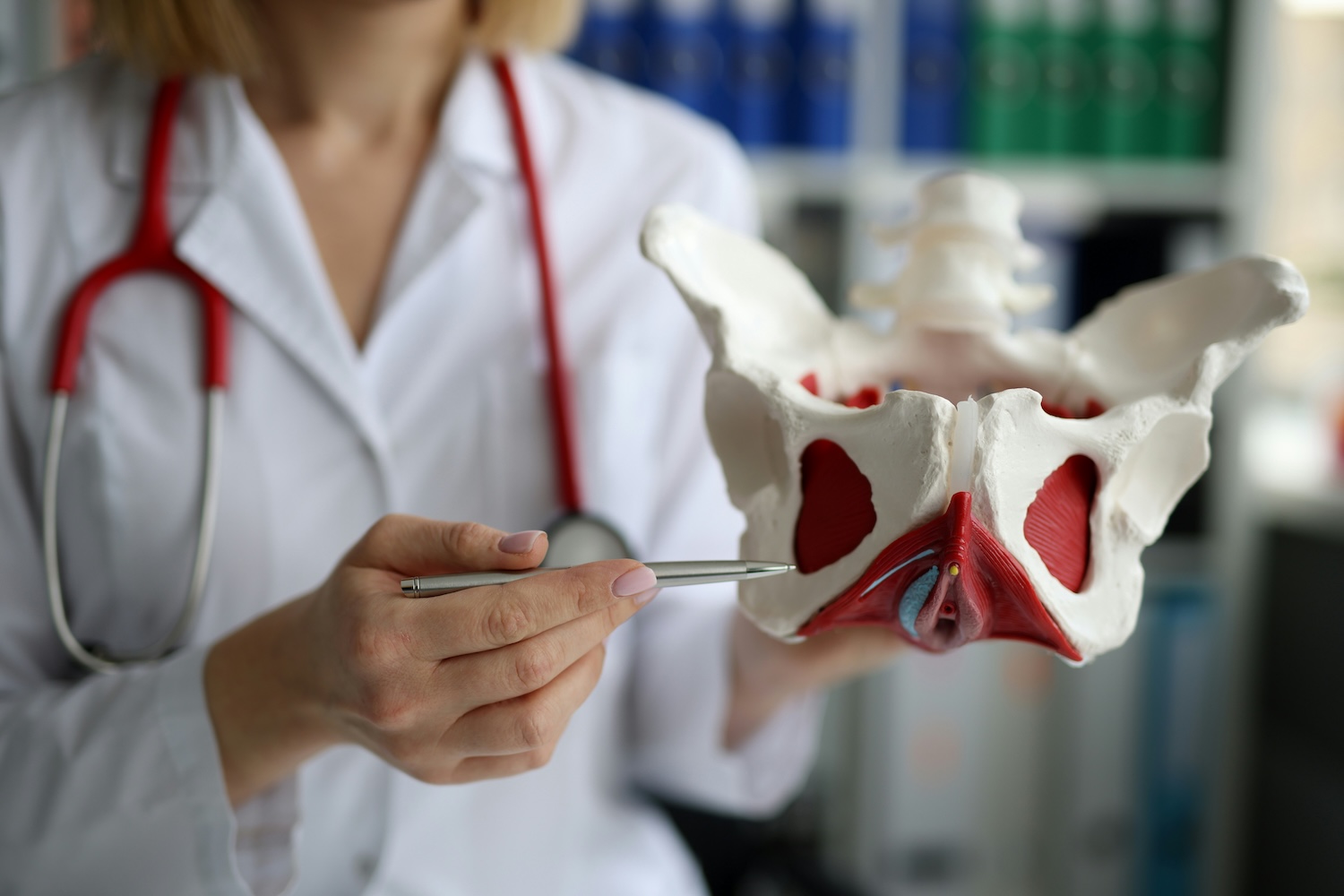
Menopause and the Pelvic Floor
Menopause is a profound milestone in a woman’s life, bringing significant systemic changes. While symptoms like hot flashes and mood shifts are widely discussed, the structural changes occurring below the belt are often left out of the conversation.
Many women are surprised to notice new pelvic challenges during this transition, including sudden bladder leaks, a frequent urge to urinate, pelvic heaviness, or discomfort during intimacy. Two of the most common yet least discussed driving factors behind these symptoms are changes in vaginal dryness and muscular tone.
At Lake Country Physiotherapy in Orillia, we believe that understanding the physiological shifts of menopause is empowering. These changes are not something you simply have to tolerate as a normal part of getting older. Pelvic floor physiotherapy provides effective, evidence-based strategies to help manage tissue health, restore muscle coordination, and maintain your long-term comfort.
The Estrogen Connection: How Hormones Affect Pelvic Tissues
To understand why these shifts happen, we have to look at estrogen. This hormone acts as a critical life-support system for the female pelvic ecosystem. Estrogen maintains the elasticity, thickness, and moisture of the vaginal walls, while ensuring a healthy blood supply to the entire pelvic region.
During perimenopause and menopause, estrogen levels drop significantly. This hormonal decline directly impacts the pelvic floor in two major ways:
1. Genitourinary Syndrome of Menopause (GSM) and Dryness
Without estrogen, the mucosal lining of the vagina becomes thinner, less elastic, and more fragile. Natural lubrication decreases, leading to persistent dryness, burning, and irritation. Because the bladder and urethra share the same estrogen-dependent tissue framework, this dryness can mimic the sensation of a urinary tract infection, causing sudden urinary urgency and frequency.
2. Shifts in Muscular Tone and Elasticity
The pelvic floor is a muscular hammock supporting your bladder, bowel, and uterus. Estrogen helps maintain the baseline tone and resilience of these muscles and their supporting connective tissues. As hormone levels decline, the pelvic floor can become either weakened and stretched, leading to leakage or prolapse, or hypertonic (overly tight and rigid) as it tries to compensate for the loss of structural support.
Signs Your Pelvic Floor Needs Support During Menopause
Pelvic floor changes manifest differently for everyone, but there are several common indicators that your pelvic tissues and muscles require targeted rehabilitation:
- Discomfort During Intimacy: Thinning tissues and overactive, tight muscles can make intercourse or pelvic exams feel tight, burning, or physically painful.
- Changes in Bladder Control: Experiencing leaks when coughing, sneezing, or exercising (stress incontinence), or a sudden, uncontrollable rush to find a washroom (urge incontinence).
- A Sensation of Heaviness: Feeling a dull ache, dragging, or pressure in the pelvis by the end of a long day, which can indicate changes in organ support.
- Chronic Irritation: A persistent feeling of chafing or dryness that does not improve with standard hygiene changes.
How Pelvic Floor Physiotherapy Helps Manage Menopausal Symptoms
At Lake Country Physiotherapy, our specialized approach looks beyond the surface to treat the muscular, mechanical, and tissue-level components of menopause.
Tailored Pressure and Core Coordination
If your pelvic floor muscles have lost their natural tone, we teach you how to rebuild strength and coordinate them effectively with your deep core and diaphragm. Learning how your pelvic floor dynamically responds to breathing helps protect your bladder from sudden pressure spikes during daily activities.
Down-Training for Overactive Muscles
If your tissues have become rigid and tight in response to structural dryness, standard strengthening exercises like Kegels can actually make your symptoms worse. We utilize specialized relaxation and down-training techniques, which may include the gentle use of vaginal dilators or pelvic floor trainers, to restore flexibility and alleviate pain during intimacy.
Guidance on Tissue Support and Moisture Management
Our pelvic floor physiotherapists provide professional, non-pharmacological guidance on managing vaginal dryness. This includes introducing high-quality, body-safe hyaluronic acid vaginal moisturizers and natural lubricants to protect the tissue barrier, restore local pH balances, and reduce daily friction. We also work collaboratively with your family doctor or gynecologist if localized medical options, like topical estrogen therapy, are appropriate for your care.
Practical At-Home Pelvic Floor Management Techniques
While working with a specialized physical therapist provides the most targeted path forward, there are several foundational, safe techniques you can practice at home right now to manage changes in tone and pressure.
Diaphragmatic Breathing (The Piston Movement)
Your pelvic floor operates in tandem with your respiratory diaphragm. When you breathe in, both diaphragms should drop and expand; when you breathe out, they naturally lift. This deep breathing dynamically stretches and moves the pelvic floor, making it an excellent daily practice to reduce stiffness or overactivity caused by structural dryness.
Position Yourself Comfortably – Setup
Lie on your back with your knees bent and supported by a pillow, or sit upright in a supportive chair with your feet flat on the ground. Place one hand on your chest and the other on your lower belly.
Inhale and Expand Below the Belt – The Drop
Inhale deeply and slowly through your nose. Direct the air down toward your pelvis. Feel your stomach, lower ribs, and pelvic floor expand gently downward. Do not pull your stomach in or shrug your shoulders.
Exhale and Allow the Natural – The Lift
Exhale softly through relaxed lips. As the air leaves your body, feel your abdomen and pelvic floor gently and passively return upward to their starting positions. Repeat this for 2 to 3 minutes daily.
Reclaim Your Comfort and Confidence in Orillia
Menopause marks a structural change in your body, but it does not mean you have to live with daily physical discomfort or give up the active lifestyle you love. Your pelvic floor is highly adaptable, and targeted care can significantly improve tissue resilience, bladder control, and your overall quality of life.
Located in the heart of Orillia, the compassionate team at Lake Country Physiotherapy offers a private, supportive environment dedicated to women’s pelvic health. We take the time to evaluate your unique anatomy, listen to your concerns, and build a practical, personalized recovery plan.
Contact Lake Country Physiotherapy today to schedule a confidential pelvic floor assessment, and discover how proactive care can help you navigate menopause with confidence, comfort, and ease.
