
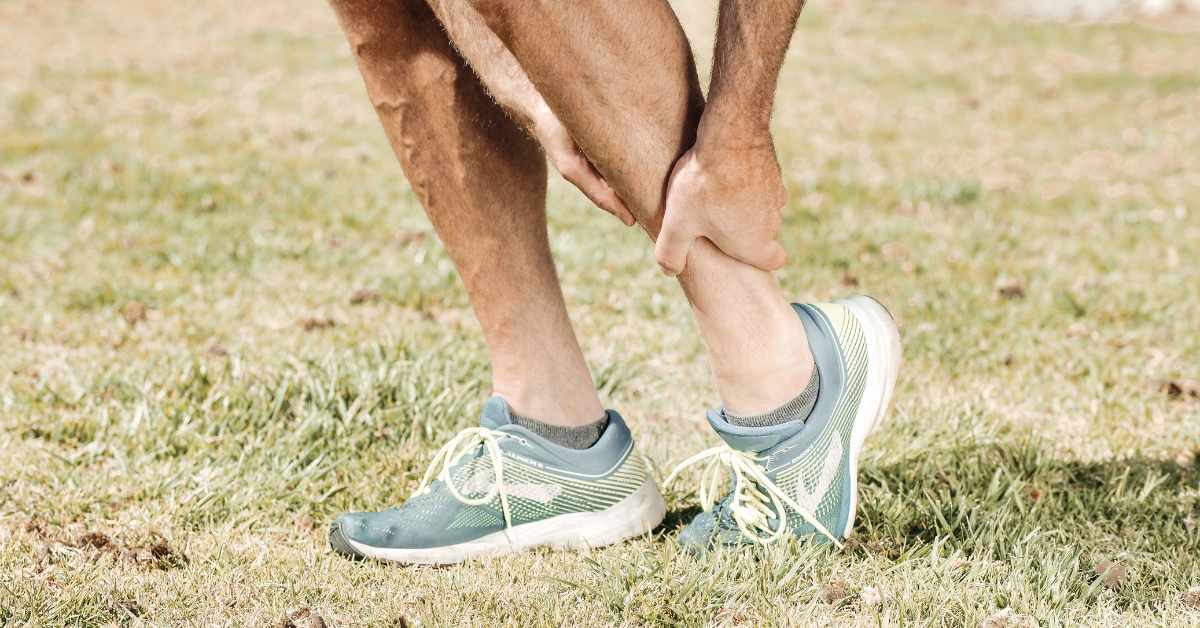
Why Does My Ankle Hurt When I Walk? Causes, Treatment & Relief
Understanding ankle pain, causes, and when to seek physiotherapy in Orillia
Walking should be simple — but when ankle pain when walking turns every step into a struggle, it’s time to understand why. Whether you’re dealing with a sprain, arthritis, tendonitis, or poor footwear, this pain can quickly limit your mobility and independence.
At Lake Country Physiotherapy in Orillia, we specialize in identifying and treating the root causes of ankle pain through evidence-based physiotherapy care. If your ankle hurts when walking, don’t ignore it — recovery starts with the right diagnosis and treatment plan.

Book an Assessment for Ankle Pain Today
Our physiotherapists can help identify what’s causing your pain and develop a personalized recovery plan.
Book an Appointment.
What Causes Ankle Pain When Walking?
Ankle pain during walking typically stems from injuries to ligaments, ongoing joint conditions, or problems with the tendons around your ankle. Most cases involve either acute injuries like sprains or chronic conditions such as arthritis.
1. Ankle Sprains and Strains
A sprain occurs when the ligaments supporting your ankle stretch or tear, often from twisting the foot inward or stepping awkwardly.
Common signs include:
- Sharp pain or tenderness around the ankle
- Swelling or bruising
- Difficulty putting weight on your foot
Types of sprains:
- Lateral ankle sprain (outside of the ankle)
- Medial ankle sprain (inside ligaments)
- High ankle sprain (above the joint)
Physiotherapy helps restore stability, reduce swelling, and strengthen the ankle to prevent future sprains.
2. Arthritis in the Ankle
Arthritis causes inflammation and stiffness in the ankle joint, leading to pain during walking or standing.
Common forms include:
- Osteoarthritis – wear-and-tear over time
- Rheumatoid arthritis – autoimmune joint inflammation
- Post-traumatic arthritis – develops after an injury
If stiffness or pain worsens in the morning or after inactivity, a physiotherapist can provide mobility and strengthening exercises to maintain joint health.
3. Achilles Tendon Problems
Pain in the back of the ankle often points to Achilles tendonitis — inflammation of the tendon connecting your calf to your heel. Overuse, tight calves, or improper footwear are frequent causes.
Symptoms include:
- Stiffness after rest
- Swelling or thickening along the tendon
- Sharp pain when walking uphill or climbing stairs
Early physiotherapy intervention can prevent tendon rupture and restore strength safely.
4. Gout and Other Joint Conditions
Sudden, severe ankle pain with redness and warmth may indicate gout — a buildup of uric acid crystals in the joint. Other conditions like bursitis, pseudogout, or autoimmune arthritis (such as lupus or psoriatic arthritis) can also lead to inflammation and pain.
5. Poor Footwear and Overuse
Your shoes can directly impact your ankle health. Flat or worn-out shoes, high heels, or improper arch support place extra stress on the ankle joint.
Additionally, prolonged standing, walking on hard surfaces, or sudden increases in activity can lead to overuse injuries and lower ankle strain.
6. Nerve-Related Causes
Burning, tingling, or numbness may indicate nerve irritation or peripheral neuropathy, especially common in people with diabetes. These cases require professional evaluation and targeted physiotherapy approaches.
Effective Ways to Relieve and Treat Ankle Pain
Several proven methods can help reduce your ankle pain and speed up recovery. These range from simple home treatments you can start immediately to medical devices that provide extra support during healing.
1. Comprehensive Assessment
At Lake Country Physiotherapy, your first appointment includes a full movement and gait assessment to identify the exact cause of your pain — whether it’s a ligament injury, tendon issue, or nerve-related condition.
2. Manual Therapy & Mobilization
Hands-on physiotherapy techniques help improve ankle mobility, reduce stiffness, and enhance circulation for faster recovery.
3. Targeted Exercise Programs
We design a personalized exercise plan that includes:
- Strengthening for ankle and lower-leg muscles
- Balance and stability training
- Functional movement correction to prevent reinjury
4. Education & Footwear Guidance
Our physiotherapists teach you how to manage symptoms at home and recommend supportive footwear or braces to reduce future strain.
5. Modalities & Supportive Devices
Depending on your condition, your treatment may include ultrasound therapy, taping, compression socks, or ankle braces for extra stability during recovery.
When to See a Physiotherapist for Ankle Pain
Certain ankle pain symptoms require professional medical attention, especially when home treatment doesn’t provide relief within a few days. Getting proper ankle injury treatment physiotherapy can prevent minor issues from becoming major problems. You should book a professional assessment if you experience:
- Persistent ankle pain lasting more than 5–7 days
- Significant swelling or bruising
- Inability to bear weight on your ankle
- A popping sound at the time of injury
- Pain worsening despite rest and ice
Ankle injuries can lead to hypermobility, joint stiffness, and degeneration. Physiotherapy helps ensure your ankles’ best functional outcomes.
Frequently Asked Questions (FAQ)
Why does my ankle hurt when I walk but not when resting?
This often indicates a mechanical issue — such as inflammation, tendon irritation, or joint instability — that worsens under load. Physiotherapy can identify the affected structures and provide relief strategies.
Can I still walk on a sprained ankle?
Most sprains benefit from early weight-bearing after elevation/compression in the first 48-72 hours..
How long does it take to recover from ankle pain?
There is a wide gamut of outcomes from 1-3 weeks for a mild sprain to chronic pain. Most ankle pain heals within 8-12 weeks with appropriate care..
Is ankle pain normal after exercise?
Mild soreness can happen, but sharp or persistent pain suggests overuse or improper technique. A physiotherapist can assess your movement patterns to prevent future strain.
Preventing Future Ankle Problems
Consistent ankle mobility and strength training can greatly reduce your risk of reinjury. Incorporate these strategies into your routine:
- Stretch and strengthen your calves and ankles
- Replace worn-out shoes regularly
- Avoid uneven surfaces during recovery
- Warm up properly before sports or activity
Find Relief from Ankle Pain in Orillia
Don’t let ankle pain when walking limit your lifestyle. At Lake Country Physiotherapy, we’ll help you move confidently again with tailored ankle injury treatment physiotherapy in Orillia, Ontario.
👉 Book Your Appointment Today